CALIBRATION
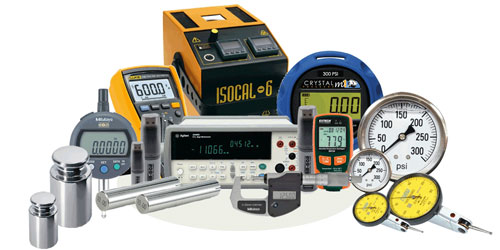
The primary significance of calibration is that it maintains accuracy, standardization and repeatability in measurements, assuring reliable benchmarks and results. Without regular calibration, equipment can fall out of spec, provide inaccurate measurements and threaten quality, safety and equipment longevity.
GMP Services Ltd is accredited by KENAS to carry out calibration of equipment for compliance with regulations standards and maintaining the accuracy and reliability of measurements in instruments.
The scope of accreditation includes:
- Temperature
- Mass
- Pressure
- Magnets
Pressure Gauges
Temperature Gauges
Temperature measurement covers the following instruments:
Temperature gauges in manufacturing and processing industries
Digital thermometers in manufacturing and processing industries.
- Infrared thermometers in high temperature operation systems.
- Clinical thermometers in healthcare and hospital facilities.
- Autoclave temperature measurement in laboratory set up
Water bath temperature measurement.
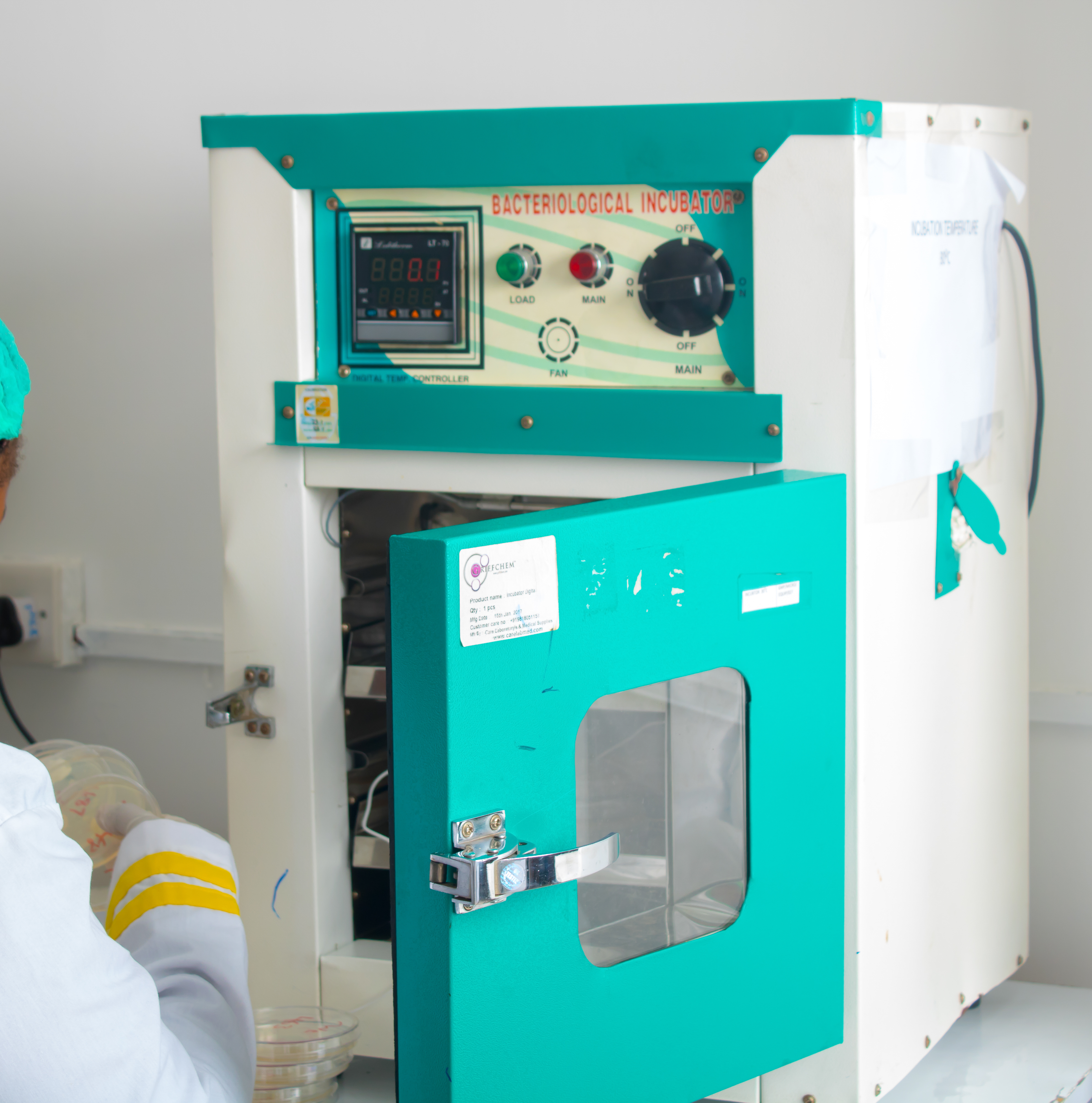
- Incubators chambers in microbiology laboratories
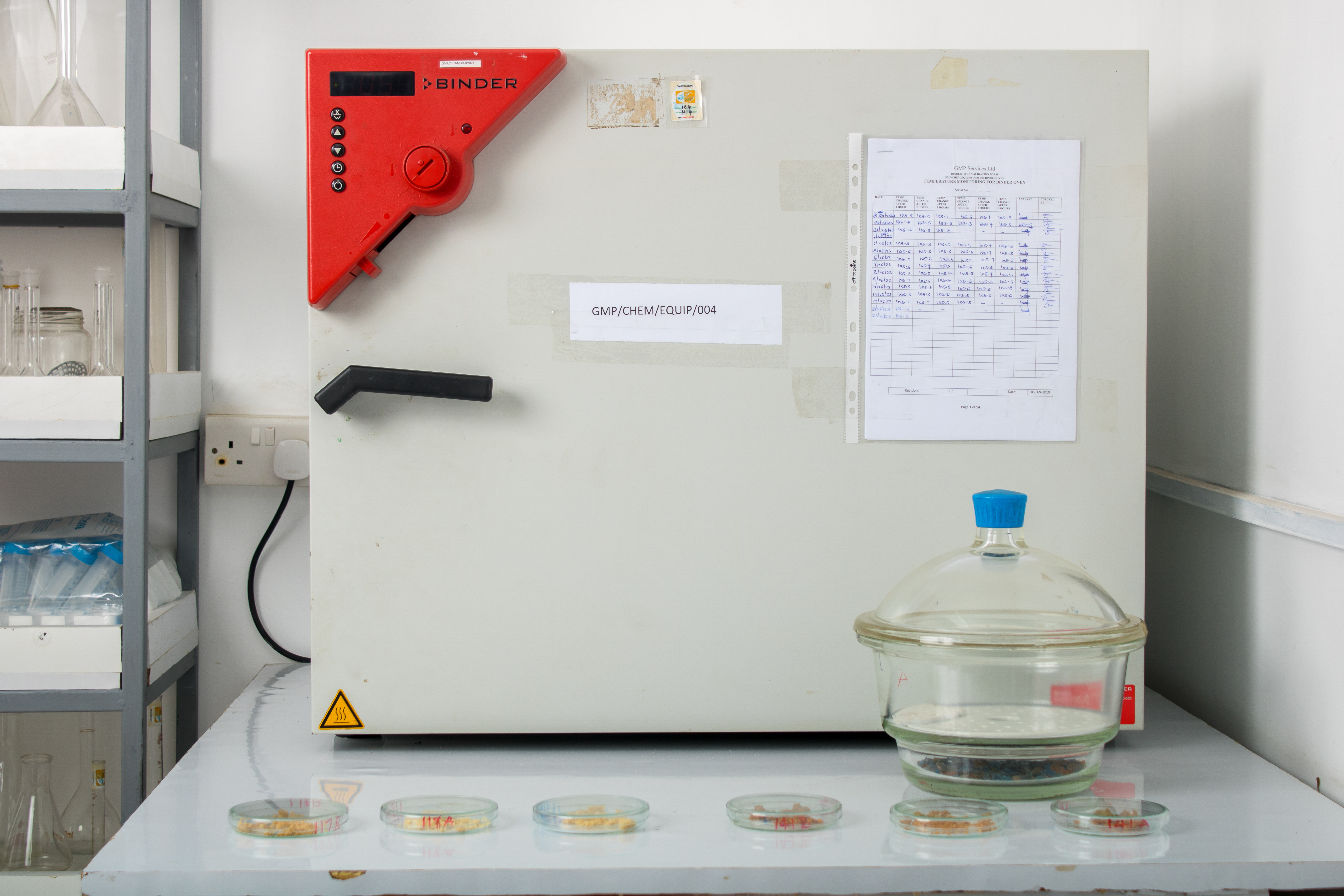
Ovens temperature measurements
- Stability chambers temperature measurement
- Furnace temperature measurement in laboratory
Chillers temperature measurement
- Refrigerators temperature measurement in food and pharmaceutical industries
- Walking in freezers and cold rooms in food processing industries
- Refrigerated vehicles temperature measurement in transportation of special conditioned products.
Electrical Measurements
The electrical Measurement equipment is critical in a number of area:
Multimeter in Electrical workshops for manufacturing and processing industries.
Electrical insulation testers in Power generation plants
Current measurement in Vehicles repair workshops
Resistance meters for Electrical workshops
Weighing scales &
Balances
Weighing instruments in mass measurement:
- Analytical weighing scales in laboratory set up
- Platform weighing scale in production raw material receiving section
- Platform weighing scales in production finish products dispatch
- Benchtop weighing balance in process line weigh checker.
- Patient weighing scales both for infants and adults in Healthcare unit
- Weighing scales in sports training facilities
- Weighing scales in agricultural farms for animals feeding and farm chemicals
Volume and flow measurement
- Volume measurement is crucial in many processes, which require accurate dispensing.
- Small volume measurement in Testing and analytical laboratories.
Water flow
- meter measurement in distribution centers.
- Fuel flow meters at the gasoline service stations
- Volumetric tanks measurement for petroleum products transportation
- Volumetric tanks measurement for dairy product transportation.
- Storage and mixing tanks measurement in beverage manufacturing industries.
- Flow meter measurement in Ethanol producing and distributing industries.
Magnet validation (validati
re-magnetization.
Magnet validation is very important in assuring compliance in food safety management as required by ISO 22000. Magnet is validation is done in the following sections of operation:
Magnet validation and calibration in tea processing industries
Magnet validation in food grade plastic manufacturing industries.
Magnet validation in nuts processing industries
Magnet validation in pharmaceutical manufacturing factories
Why is calibration important?
Calibration is important because it helps ensure accurate measurements, and accurate measurements are foundational to the quality, safety and innovation of most products and services offered globally
A few examples where calibration is quietly behind the scenes assuring precise measurements critical to the comfort, quality and safety of products and innovation includes:
- Food production, shipping and storage
- Scientific research, development and innovation
- Transportation & related systems including cars, trains, planes and gasoline pumps
- Electronics including phones, cell-phone service, computers, appliances, and test and measurement devices
- Pharmaceutical products and medications
- Measurement of any trading items that is quantified by measurement require accuracy and that fairness of trade is guaranteed by calibration
- Healthcare measuring equipment relies on calibration to be able to prescribe to patients effectively
- Aerospace and related systems including rockets, satellites and the International Space Station

TESTING
Our range of testing services is quite wide and include but not limited to.
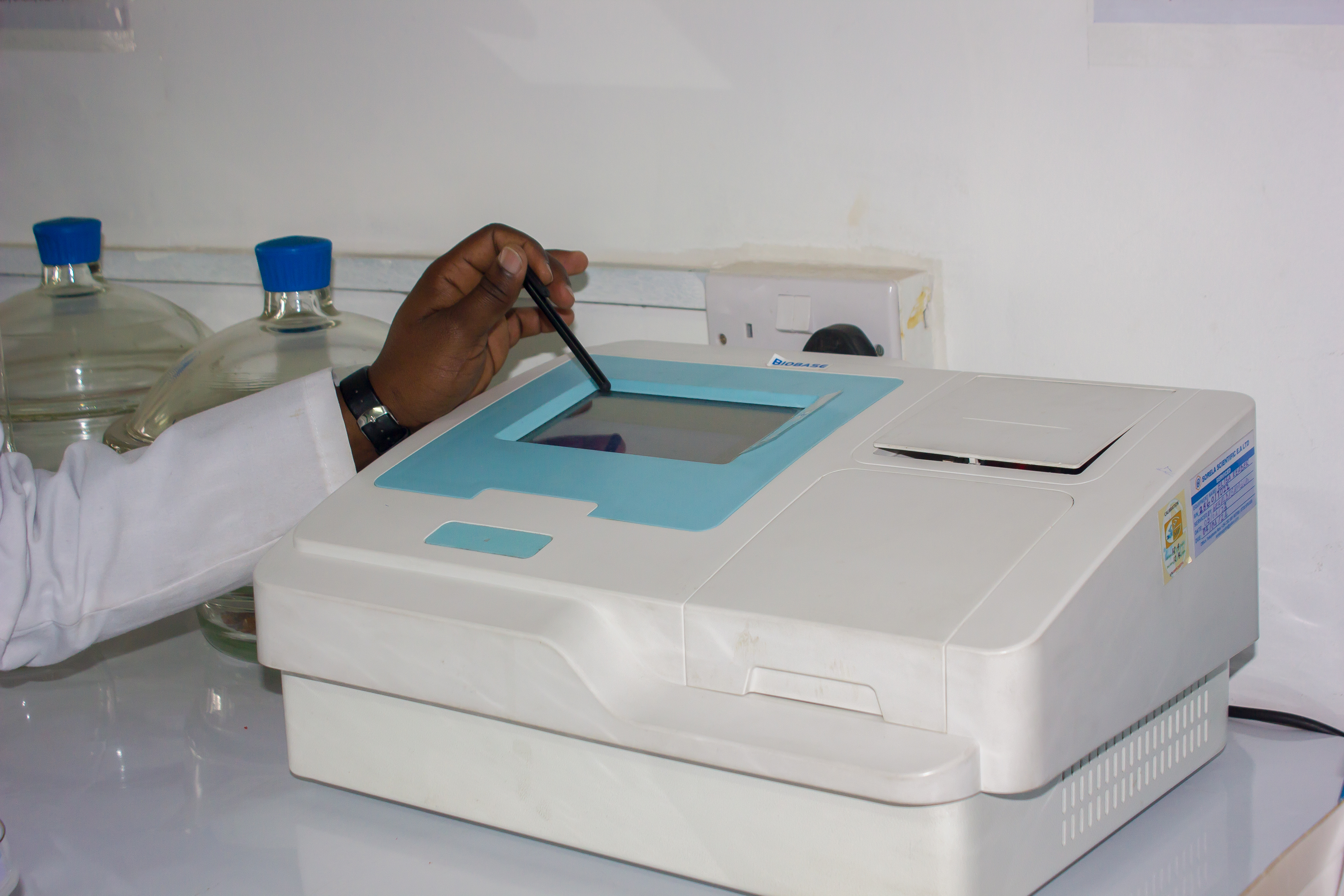
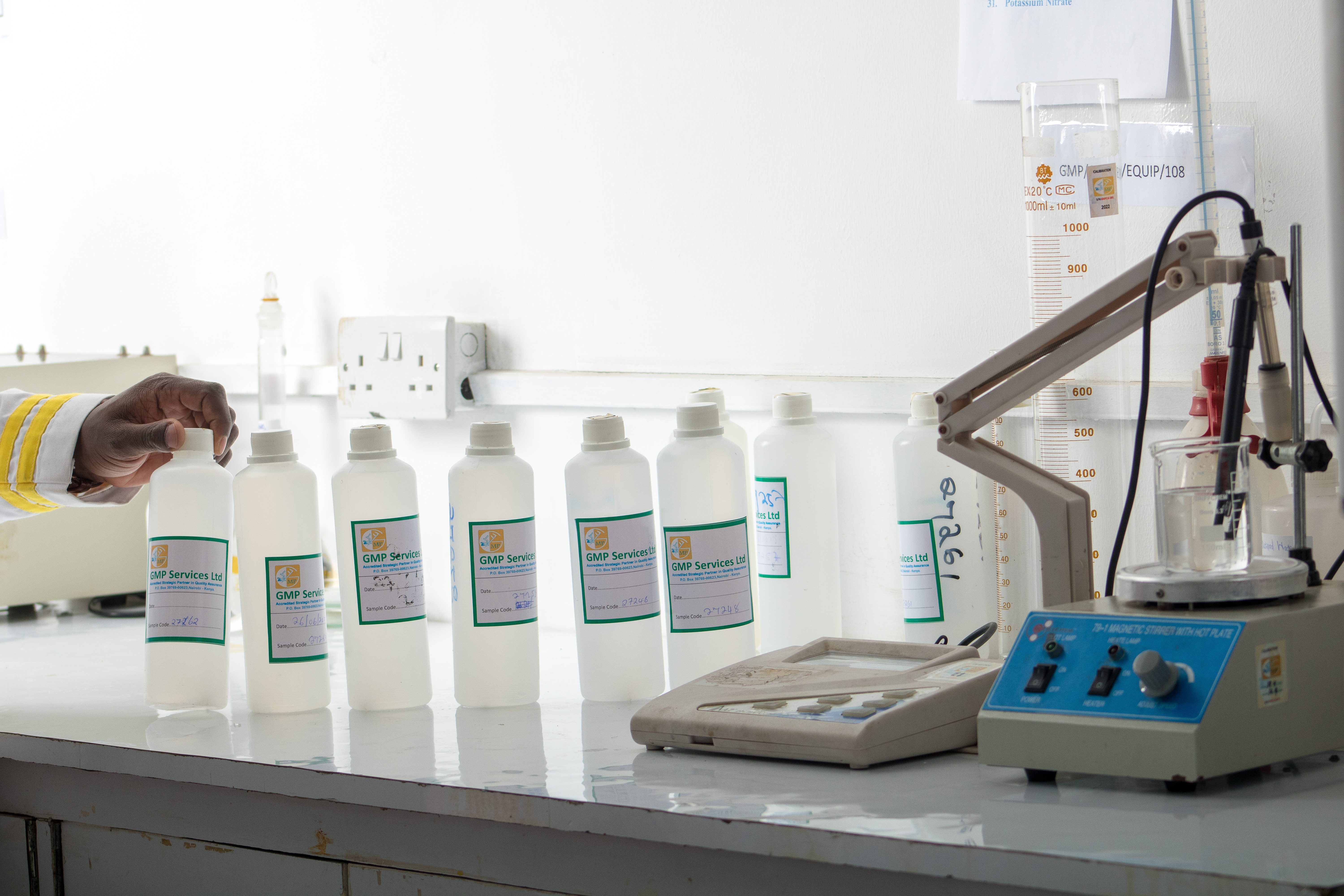
Chemical Analysis
:
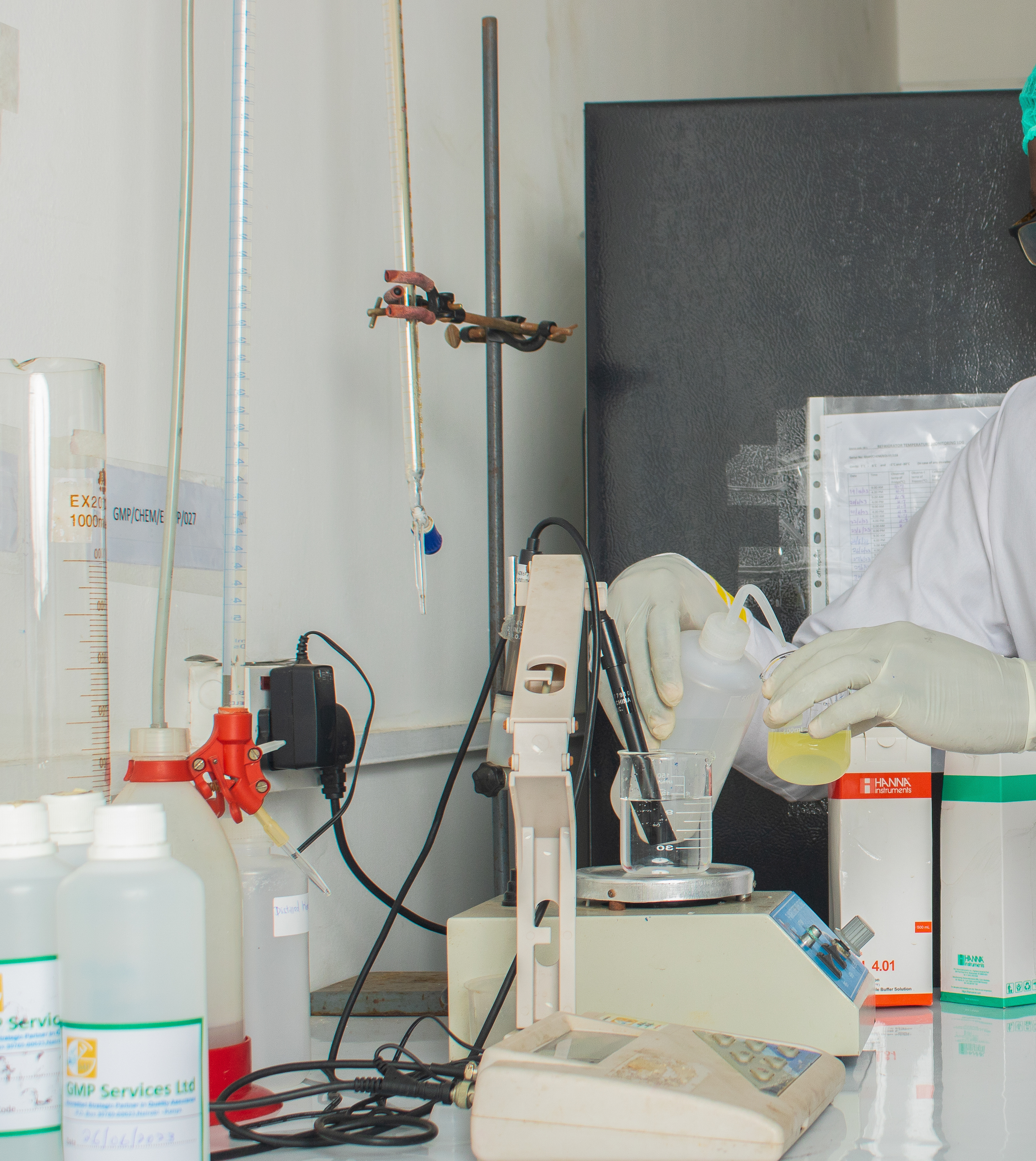
The testing services carried out at the chemical laboratory includes :
- Analytical weighing scales in laboratory set up
- Platform weighing scale in production raw material receiving section
- Platform weighing scales in production finish products dispatch
- Benchtop weighing balance in process line weigh checker.
- Patient weighing scales both for infants and adults in Healthcare unit
- Weighing scales in sports training facilities
- Weighing scales in agricultural farms for animals feeding and farm chemicals
•
Heavy Metals
Analysis
• Quality tests
requirements
• Physical tests
• Organic & In-0rganic
contaminants
• Waste water
analysis (Effluent)
• Nutritive value
analysis
• Air quality analysis
FOOD TESTING
Food testing is a crucial aspect of ensuring the safety, quality, and compliance of food products with regulatory standards.
The purpose of conducting food testing is to verify its safety, authenticity, nutritional content and quality of food products. This food testing helps to identify potential hazards such as microbial contamination, chemical, allergens and adulterants.
At GMP Services Ltd we carry out the analysis of all food products and calibration of equipment. Our scope of the analysis ranges from microbiological tests which is carried out to detect harmful microorganisms such as bacteria, viruses, yeast and moulds. Common tests include Total Viable Count, Total Plate Count, coliforms, E. coli, Salmonella and Listeria. For Chemical testing it is carried out of food to identify chemical contaminants such as pesticides, heavy metals, additives and toxins. The techniques used to undertake the analysis include, chromatography, spectroscopy etc.
Toxins in food can originate from various sources, including natural contaminants, microbial contamination, environmental pollutants, and food processing techniques. The common type of toxins found in food include Microbial toxins such as Bacterial toxins (Staph aureus, clostridium, E-coli) Fungal toxins (Aflatoxins)Chemical contaminants (Pesticides and herbicides, heavy metals, environmental pollutants and food additives)
Why is testing and calibration important?
It is paramount to carry out testing in food and other products to safeguard public health, ensuring product quality and facilitating regulatory compliance with industry. GMP Services Ltd endeavours to educate our clients on the importance of carrying out food analysis. Some of the reasons to carry out testing are as follows: -
1)Ensure food safety
Food safety helps to identify and mitigate potential hazards such as microbial contamination, chemical residues and toxins. By detecting these contaminants early enough prevent food borne illnesses and protect public health
2) Compliance with Regulations
Government and regulatory bodies set standards and regulations to ensure the safety and quality of all food products. Food testing is necessary to demonstrate compliance with regulations. It also assesses the aspect such as permissible levels of contaminants, labelling requirements and nutritional content.
3).Protecting Consumer Trust
Consumer rely on food producers and regulatory authorities to ensure the safety and quality of the food they consume. Rigorous food testing program build trust by demonstration a commitment to transparent quality assurance and adherence to regulatory standards
4) Preventing economic Losses
Foodborne illnesses can lead to significant economic losses for food producers, retailers and the health care system due to cost associated with recalls, legal liabilities, medical expenses and damage to brand reputation. Timely food testing helps prevent such losses by identifying and addressing potential risks before products reach the market or consumers.
5). Quality control and product integrity
Food testing is essential for maintaining the quality, freshness and integrity of food products throughout the supply chain. It helps identify issues such as spoilage, adulteration and mislabelling allowing producers to take corrective actions and uphold product quality standards.

Microbial Analysis
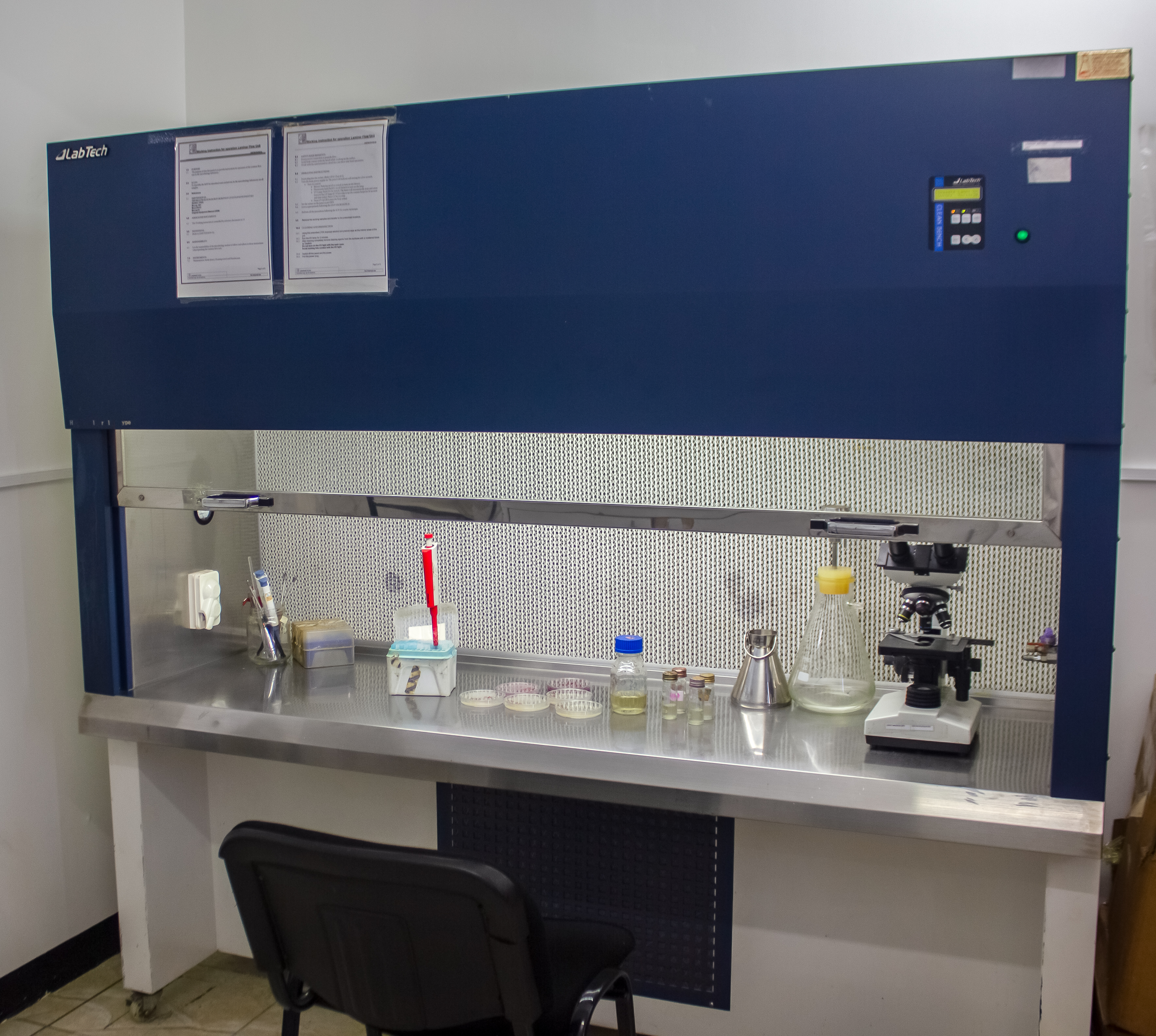
Escherichia coli
•
Coliforms
•
Staphylococcus
•
Enterococcus
•
Salmonella spp.
•
Yeast & Moulds
•
Pseudomonas
•
Total Viable Counts
•
Hygiene Swab tests

TECHNICAL CONSULTANCY AND TRAINING
We carry out issue-based consultancy to our clients on services such as;
HACCP (Hazard Critical Control points)
Quality control checks
Quality assurance management systems
Industrial safety awareness
Hygiene and sanitation
GAP consultancy (Good Agricultural Practices)
GMP consultancy (Good Manufacturing Practices)
GLP consultancy (Good Laboratory Practices)